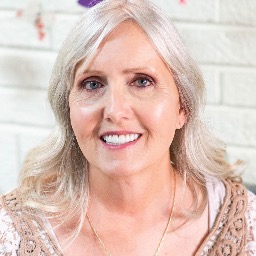
Patti Hampsten
LCPC
Illinois
Client-centered counselor using motivational interviewing
Continue with PattiAt a glance
- Credentials
- LCPC
- License
- LCPC, Illinois / 180.003506
- NPI
- 1871031070
- Experience
- 3 years
- Languages
- English
- Location
- Illinois
Details come from information the therapist supplied to BetterHelp. A license can be checked with the state board.
-
About Patti
Patti Hampsten is a Licensed Clinical Professional Counselor (LCPC) based in Illinois who draws on a client-centered approach and motivational interviewing to help people move forward. She keeps a casual, inviting style so clients can talk openly and leave sessions with a practical coping tool. Patti emphasizes acceptance of where someone is now as the first step toward change.
Patti earned a master’s degree in clinical psychology and brings three years in her current licenced practice role. Much of her earlier career was in community mental health and addiction counseling, which shaped a broad skill set for working through many life challenges. She also provides clinical supervision for problem-solving court programs, including drug court, mental health court, and veterans court.
In sessions she usually begins with client-centered listening and motivational interviewing to understand what matters most to the person. From there she draws on cognitive behavioral techniques, dialectical behavior approaches, solution-focused strategies, and mindfulness-informed skills as needed. The result is a mix of practical tools tailored to each person’s goals.
Patti helps people dealing with stress, anxiety, depression, grief, trauma and abuse, and addictions. She also supports people facing relationship struggles, body image and eating concerns, caregiver stress, workplace burnout, and midlife transitions. Additional areas include panic, bipolar mood concerns, communication problems, and issues related to infidelity or separation.
Sessions are conducted in English and Patti accepts international clients through the practice. If someone wants to begin, they can use the site’s Start Therapy button to complete a short matching questionnaire and schedule according to availability.
-
How motivational, client-centered care translates online
Patti blends motivational interviewing with client-centered listening to help people clarify what matters to them and find reasons to change. Motivational interviewing focuses on drawing out a person’s own motivations and planning small steps toward their goals. Client-centered therapy prioritizes building trust and validating feelings so people feel heard and able to try new strategies.
She also uses cognitive behavioral techniques to identify unhelpful thoughts and to build concrete coping skills. CBT exercises often help with anxiety, panic, low mood, and patterns that feed stress. Together these approaches give a mix of reflective conversation and hands-on skill practice tailored to what a person needs most.
Finding the right approach is a collaborative process. Patti will talk with each person about their goals and preferences and suggest methods that match those aims. She adjusts the mix of motivational work, listening, and skills training as progress is made.
Confirm the session formats available before booking so you know how therapy will be scheduled. Online therapy can make it easier to fit appointments into a busy week, reduce travel time, and allow quicker check-ins when life gets hectic. It can also offer options when different attention or communication styles work better, such as shorter check-ins or sessions that do not require video. -
Areas of expertise
Primary focus
Also works with
LGBTFamily conflictsTrauma and abuseGriefParenting issuesAnger managementSelf esteemCareer difficultiesBipolar disorderCoping with life changesCompassion fatigueAdditional focus areas
Blended family issuesBody imageCaregiver issues and stressCodependencyCommunication problemsDivorce and separationDrug and alcohol addictionEating and food-related issuesFamily of origin issuesFamily problemsFirst responder issuesHospice and end-of-life counselingInfidelityMidlife crisisPanic disorder and panic attacksPost-traumatic stressProcess addiction (porn, exercise, gambling)Seasonal Affective Disorder (SAD)Women's issuesWorkplace issuesYoung adult issuesTherapeutic approaches
Client-Centered TherapyCognitive Behavioral Therapy (CBT)Dialectical Behavior Therapy (DBT)Mindfulness TherapyMotivational InterviewingSolution-Focused TherapyExperience
3+ years
Listed in
Illinois
Languages
English
-
Frequently asked questions
What kinds of problems does Patti help with?
Patti works with a wide range of concerns, including stress, anxiety, depression, grief, trauma and abuse, addictions, relationship strain, eating and body image issues, caregiver stress, and work-related burnout.
How would you describe her therapy style?
She uses a casual and inviting approach that starts with listening and acceptance. Sessions focus on practical coping tools and collaborative goal-setting.
What is her professional background?
Patti has a master’s degree in clinical psychology and earlier work in community mental health and addiction counseling, plus experience providing clinical supervision to problem-solving court clients.
Where is Patti licensed to practice?
She is a Licensed Clinical Professional Counselor in Illinois, listed as LCPC in that state.
Can I work with her if I live outside the United States?
Sessions are offered in English and she does accept international clients through the practice.
What session formats are available?
Please confirm current session options before booking so you know which formats are offered for scheduling and participation.
How does billing and cost work?
Cost varies with location and the therapist’s scheduling; sessions operate through a subscription that can be canceled at any time.
How do I begin working with Patti?
Click the Start Therapy button, complete a short matching questionnaire, and then schedule sessions according to the therapist’s availability.
-
Online talk therapy is not emergency or medical care. Stopping or cutting down alcohol or other drugs can be unsafe without medical advice. In immediate danger? Crisis numbers