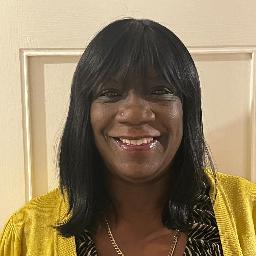
Moira McCarthy
BACP, NCPS
United Kingdom
Experienced person-centred counsellor with practical support
Continue with MoiraAt a glance
- Credentials
- BACP, NCPS
- Registration
- BACP, United Kingdom / 180814; NCPS, United Kingdom / NCS22-03798
- Experience
- 18 years
- Languages
- English
- Location
- United Kingdom
Details come from information the therapist supplied to BetterHelp.
-
- 18 years experience
- Person centred focus
- Group and one-to-one
About Moira
Moira McCarthy is a counsellor with 18 years' experience supporting adults and people aged 18 and over. She works one-to-one and also leads group therapy sessions. Her approach is practical and person-focused, centred on helping people find workable steps forward.
She uses person-centred methods alongside Cognitive Behavioral Therapy and Integrative Holistic Therapy. Moira aims to create a warm space where people can talk openly and work through worries about stress, anxiety, low mood, grief and relationship problems. She also helps with issues such as addictions, sleep difficulties and coping with big life changes.
Her wider experience includes supporting people with attachment concerns, adoption and foster care matters, caregiver strain, chronic illness and body image worries. Moira pays attention to how past experiences shape present patterns and helps people build new ways of managing day-to-day challenges.
Moira is a member of the British Association for Counselling and Psychotherapy, BACP, and holds NCPS credentials. She takes regular clinical supervision to keep her practice within the BACP framework and to reflect on her work.
Sessions and workshops aim to leave people with clear next steps. People who prefer a collaborative, empathetic style and practical strategies tend to find her approach useful. To book, follow the site’s Start Therapy process and complete the matching questionnaire.
-
Therapeutic approaches and how they work online
Motivational Interviewing focuses on a person’s own reasons for change. It uses open questions and reflective listening to help people find motivation for steps they want to take. This approach can be useful for issues such as addictions, lifestyle changes and getting unstuck.
Acceptance and Commitment Therapy, ACT, helps people notice unhelpful thoughts and choose actions that match their values. It combines mindful awareness with practical exercises to support coping with anxiety, chronic illness or major life changes.
Finding the right approach is part of the work together. The therapist will talk with the client about goals, preferences and what feels most helpful. Decisions about techniques and focus are made collaboratively and may change as progress is reviewed.
Online therapy can make it easier to fit sessions into a busy life and reduce time spent travelling. It also allows people to join sessions from different locations when that suits them. The biography does not list specific session formats, so please confirm the current options before booking. Registered or accredited professionals can adapt ACT, Motivational Interviewing and person-centred methods to remote sessions to support steady progress. -
Areas of expertise
Also works with
AddictionsRelationship issuesFamily conflictsSleeping disordersParenting issuesAnger managementCareer difficultiesBipolar disorderCoping with life changesAdditional focus areas
AbandonmentAdoption and foster careAttachment issuesBlended family issuesBody imageCancerCaregiver issues and stressChronic pain, illness, and disabilityCommunication problemsControl issuesDomestic violenceFamily problemsGuilt and shameImmigration issuesInfidelityIsolation / lonelinessJealousyMulticultural concernsObsessions, compulsions, and OCDPersonality disordersPhobiasPostpartum depressionPrejudice and discriminationSelf-harmSelf-loveSexual assault and abuseSexualitySocial anxiety and phobiaWomen's issuesWorkplace issuesYoung adult issuesTherapeutic approaches
Acceptance and Commitment Therapy (ACT)Attachment-Based TherapyClient-Centered TherapyCognitive Behavioral Therapy (CBT)Emotionally-Focused Therapy (EFT)Mindfulness TherapyMotivational InterviewingPsychodynamic TherapySolution-Focused TherapyTrauma-Focused TherapyExperience
18+ years
Listed in
United Kingdom
Languages
English
-
Frequently asked questions
What sorts of concerns does she help with?
Moira works with a wide range of issues including stress, anxiety, depression, grief, relationship and family problems, addictions, sleep difficulties and coping with life changes.
How would you describe her therapy style?
Her style is warm and collaborative, using person-centred talking alongside practical techniques from Cognitive Behavioral Therapy and other approaches.
How much clinical experience does she have?
She has 18 years of experience working with adults and people aged 18 and over in one-to-one and group settings.
What credentials and professional bodies are listed?
She is a member of the British Association for Counselling and Psychotherapy, BACP, and holds NCPS credentials as supplied.
Can I work with her if I live outside the UK?
Sessions are offered in English and she accepts international clients as stated in the profile.
What session formats are available?
The original biography does not list specific session formats. Please confirm current session options before booking.
How are fees handled?
Cost varies with location and therapist availability; sessions use a subscription that can be cancelled at any time.
What do I do to get started?
Click the Start Therapy button, complete the short matching questionnaire and then schedule according to therapist availability.
-
Online talk therapy is not emergency or medical care. Stopping or cutting down alcohol or other drugs can be unsafe without medical advice. In immediate danger? Crisis numbers