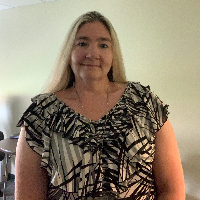
At a glance
- Credentials
- LCSW
- License
- LCSW, New York / 082918
- NPI
- 1942465794
- Experience
- 3 years
- Languages
- English
- Location
- New York
Details come from information the therapist supplied to BetterHelp. A license can be checked with the state board.
-
- Motivational Interviewing
- Client-centered care
- Goal focused
About Julie
Julie Fahlmann is a Licensed Clinical Social Worker (LCSW) based in New York who helps people cope with stress, anxiety, addiction, trauma, parenting strain, depression, relationship and family issues, grief, self-esteem struggles, bipolar disorder, and ADHD. She names Motivational Interviewing among her approaches and uses practical strategies to support change. Julie writes simply and listens closely to what matters most to each person.
Julie earned a Master of Social Work and has three years in her current clinical role. She aims to build a trusting relationship first, then work toward clear goals chosen with the person she sees. Sessions focus on realistic steps and on strengthening what already works in daily life.
Her style blends client-centered care with cognitive-behavioral techniques and other problem-focused methods. That means time is spent understanding thoughts and habits, then trying small changes and different ways of coping. She also draws on Dialectical Behavior Therapy skills and solution-focused strategies when those fit the goals.
Julie is comfortable addressing trauma and addiction by looking at safety, motivation, and practical supports. She pays attention to attachment and abandonment concerns and helps people navigate complicated family dynamics without assuming a single solution.
People who choose Julie can expect straightforward conversations, collaborative planning, and short-term steps that fit their life. She invites prospective clients to read, ask questions, and judge fit for themselves before starting work together.
-
Therapeutic approaches useful for online work
Motivational Interviewing is a conversational method that helps people resolve mixed feelings about change. It focuses on a person's own reasons for change and builds motivation one step at a time. Client-Centered Therapy emphasizes listening, empathy, and the person's perspective so they can set the pace and topics of sessions. Cognitive Behavioral Therapy (CBT) looks at patterns of thought and behavior and uses practical exercises to reduce symptoms and improve daily functioning.
Finding the right approach is part of the work. Julie will collaborate with each person to decide which methods fit their needs, goals, and preferences. That may mean mixing strategies and adjusting over time as progress and challenges become clearer.
The original biography did not specify which online session formats are used, so confirm available options before booking. Online therapy can make scheduling easier, reduce travel time, and allow sessions to fit into a work break or busy day. It also makes it possible to practice new skills in real-life settings with support between sessions. Licensed professionals can guide pacing, set practical homework, and help people try small changes that matter at home and at work. -
Areas of expertise
Primary focus
Also works with
Additional focus areas
AbandonmentAdoption and foster careAging and geriatric issuesAntisocial personalityAttachment issuesAutism and Asperger SyndromeCancerCaregiver issues and stressChronic pain, illness, and disabilityCodependencyCommunication problemsControl issuesDisruptive Mood Dysregulation Disorder (DMDD)DissociationDomestic violenceDrug and alcohol addictionFamily problemsGuilt and shameIntellectual disabilityIsolation / lonelinessMood disordersObsessions, compulsions, and OCDPanic disorder and panic attacksParanoiaPersonality disordersPostpartum depressionPost-traumatic stressProcess addiction (porn, exercise, gambling)Seasonal Affective Disorder (SAD)Self-harmSmoking / vaping cessationSocial anxiety and phobiaTraumatic brain injuryWorkplace issuesYoung adult issuesTherapeutic approaches
Client-Centered TherapyCognitive Behavioral Therapy (CBT)Dialectical Behavior Therapy (DBT)Motivational InterviewingSolution-Focused TherapyTrauma-Focused TherapyExperience
3+ years
Listed in
New York
Languages
English
-
Frequently asked questions
What kinds of concerns does Julie address?
She supports people with stress, anxiety, addictions, trauma and abuse, parenting stress, depression, relationship and family challenges, grief, self-esteem, bipolar disorder, and ADHD, plus many related issues.
How would you describe Julie's therapy style?
Her approach is practical and collaborative. She listens first, then helps set clear goals and tries small changes that fit day-to-day life.
What experience does Julie bring?
Julie holds a Master of Social Work and has three years in her current clinical practice, along with broader past experience in several mental health roles.
What credentials and location are on file?
She is a Licensed Clinical Social Worker (LCSW) licensed in New York and practices from that state.
Which languages are supported for sessions?
Sessions are offered in English only and international clients are not accepted at this time.
What session formats are available?
The original biography does not list specific session formats, so please confirm current session options with the therapist before booking.
How are fees and payment handled?
Cost varies with location and therapist availability; sessions use a subscription model that can be canceled at any time.
How do I begin working with Julie?
Click the Start Therapy button, complete a short matching questionnaire, and schedule a session according to the therapist's availability.
-
Online talk therapy is not emergency or medical care. Stopping or cutting down alcohol or other drugs can be unsafe without medical advice. In immediate danger? Crisis numbers