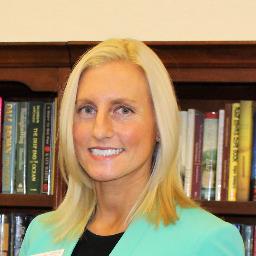
At a glance
- Credentials
- LCSW
- License
- LCSW, Florida / SW14514
- NPI
- 1962652701
- Experience
- 3 years
- Languages
- English
- Location
- Florida
Details come from information the therapist supplied to BetterHelp. A license can be checked with the state board.
-
- Motivational Interviewing
- ACT and CBT
- Works with trauma
About Sarah
Sarah Wright is a Licensed Clinical Social Worker (LCSW) based in Florida who uses a person-centered style to guide sessions. She draws on Motivational Interviewing alongside practical therapy methods to help people take steps toward change. Her tone is flexible and respectful, and she can bring spirituality into sessions when clients want that included.
Sarah focuses on common struggles such as stress, anxiety, depression, and mood disorders. She also supports people facing trauma and abuse, addictions, and challenges with sleep, eating, or self-esteem. Relationship strain, grief, and questions about life purpose are other areas she helps people work through.
Her approach combines Acceptance and Commitment Therapy (ACT), Cognitive Behavioral Therapy (CBT), Dialectical Behavior Therapy (DBT) skills, and Solution-Focused techniques. That mix is used to address coping skills, emotion regulation, and practical steps for day-to-day life. Motivational Interviewing is used to support readiness for change and to clarify personal goals.
With three years of direct practice experience, Sarah brings focused, hands-on support. She mentions integrating spirituality when it may be helpful to a client, allowing treatment to reflect personal values. Sarah aims to help people move from feeling stuck to noticing steady progress.
To begin, she asks people to identify realistic goals and small steps toward them. Sessions emphasize straightforward tools, clear feedback, and collaboration so clients can try new ways of coping between meetings.
-
How therapeutic approaches are used online
Motivational Interviewing is a collaborative way of talking that helps people clarify their own reasons for change. It focuses on listening, reflecting, and helping someone strengthen personal motivation for goals like reducing substance use or improving routines.
Acceptance and Commitment Therapy, or ACT, teaches people how to notice difficult thoughts and feelings while committing to actions that reflect their values. It can help with anxiety, depression, and coping with life transitions by shifting focus toward meaningful activity.
Cognitive Behavioral Therapy, or CBT, looks at the links between thoughts, feelings, and behaviors and offers concrete strategies to change unhelpful patterns. CBT is often used for anxiety, depression, sleep problems, and managing mood symptoms.
Finding the right approach is part of the work. The therapist will collaborate with each person to identify goals and try approaches that fit their needs and preferences. That could mean emphasizing Motivational Interviewing to build readiness, using ACT exercises to clarify values, or practicing CBT skills for day-to-day coping.
The biography does not specify session formats, so confirm available options before booking. Online therapy can make it easier to fit sessions into a busy life - for example by reducing travel time, allowing shorter check-ins during a workday, or letting people work without needing to be on camera. Licensed professionals can adapt exercises, worksheets, and skill practice to an online setting so the work continues between sessions. -
Areas of expertise
Primary focus
Also works with
AddictionsRelationship issuesFamily conflictsGriefIntimacy-related issuesEating disordersSleeping disordersAnger managementCareer difficultiesCoping with life changesCoachingCompassion fatigueADHDAdditional focus areas
Fertility issuesFirst responder issuesGuilt and shameLife purposeMood disordersObsessions, compulsions, and OCDPersonality disordersPost-traumatic stressSelf-harmTherapeutic approaches
Acceptance and Commitment Therapy (ACT)Cognitive Behavioral Therapy (CBT)Dialectical Behavior Therapy (DBT)Motivational InterviewingSolution-Focused TherapyTrauma-Focused TherapyExperience
3+ years
Listed in
Florida
Languages
English
-
Frequently asked questions
What kinds of concerns does this therapist address?
She helps people dealing with stress, anxiety, depression, mood disorders, and trauma. Other areas include addictions, relationship strain, grief, sleep and eating issues, self-harm concerns, and questions about life purpose.
What is her therapeutic style like?
Her style is person-centered and flexible. She uses Motivational Interviewing to support change and combines ACT, CBT, DBT skills, and solution-focused methods for practical work.
What experience does she bring to sessions?
She has three years of clinical experience working directly with people on a range of mental health and behavioral concerns. Her work emphasizes practical skill building and collaborative goal-setting.
What are her credentials and where is she located?
She holds an LCSW credential and is licensed in Florida. Location is listed as Florida for professional practice.
Can I work with her if I live outside the United States?
Sessions are offered in English and she accepts international clients. Check any time zone or scheduling details when arranging sessions.
What session formats are available?
The original biography does not list specific session formats. Please confirm current session options before booking so you know what formats are offered.
How much do sessions cost?
Cost varies with location and therapist availability, and sessions use a subscription that can be canceled at any time. Exact pricing is provided during the scheduling process.
How do I get started with therapy?
Click the Start Therapy button, complete a short matching questionnaire, and then schedule according to therapist availability.
-
Online talk therapy is not emergency or medical care. Stopping or cutting down alcohol or other drugs can be unsafe without medical advice. In immediate danger? Crisis numbers