At a glance
- Credentials
- LPC
- License
- LPC, Alabama / 4406
- NPI
- 1356816300
- Experience
- 20 years
- Languages
- English
- Location
- Alabama
Details come from information the therapist supplied to BetterHelp. A license can be checked with the state board.
-
- Motivational approach
- Client-centered care
- Practical tools
About Rachel
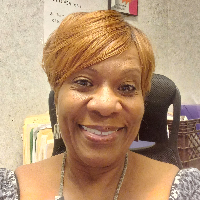
Rachel Palmore is a Licensed Professional Counselor (LPC) practicing in Alabama. She brings nearly 20 years of experience and a calm, encouraging presence to sessions. Rachel emphasizes listening, reflection, and helping people find their own reasons to change.
She aims to make talk therapy feel straightforward and useful. Sessions focus on clear goals, building self-awareness, and practical steps clients can try between meetings. Rachel encourages exploring new ways of coping and supports clients as they test what works for them.
Her approach combines client-centered care with tools from cognitive behavioral therapy and motivational interviewing. That means conversations often revolve around a person’s values, realistic behavior changes, and understanding thoughts that get in the way. Mindfulness and emotion-focused ideas are also part of how she helps people notice and name strong feelings.
Rachel has worked with a broad range of people across different situations over her career. She draws on that experience to tailor sessions to each person’s needs. She aims for a warm, objective style that helps clients feel heard while moving toward change.
If you are dealing with stress, anxiety, grief, parenting strain, relationship or intimacy concerns, or life changes, Rachel offers a steady, practical approach. She also addresses issues like ADHD, workplace compassion fatigue, adoption and foster care questions, multicultural concerns, and women’s issues.
-
How therapy approaches translate to online sessions
Motivational Interviewing focuses on helping people find their own reasons to change. In practice this means a conversational style that draws out a client’s values and strengths and helps set realistic next steps. It can be useful for decisions about behavior, motivation, and building momentum for change.
Client-Centered Therapy centers the conversation on the person’s experience. The therapist offers nonjudgmental listening, reflection, and empathy so people can clarify what matters most to them. This approach helps when someone needs support to sort through feelings and decide on personal goals.
Cognitive Behavioral Therapy, or CBT, looks at the links between thoughts, feelings, and behaviors. Sessions often include identifying unhelpful thoughts and trying small experiments or practical strategies to change patterns. CBT can be helpful for anxiety, depression, and coping with everyday stressors.
Finding the right approach is part of the work together. Rachel will collaborate with each person to decide which methods fit their goals and preferences, and she may blend approaches over time. The goal is to create a plan that feels doable and that people can use between visits.
Session formats are not specified in the biography, so confirm current options before booking. Online therapy can make scheduling easier, reduce travel time, and fit sessions into a busy week. It also allows shorter check-ins or conversations that don’t require being on camera, depending on the format offered. -
Areas of expertise
Primary focus
Also works with
Relationship issuesTrauma and abuseIntimacy-related issuesParenting issuesAnger managementCareer difficultiesBipolar disorderCoping with life changesCoachingCompassion fatigueADHDAdditional focus areas
Adoption and foster careMulticultural concernsPrejudice and discriminationSeasonal Affective Disorder (SAD)Women's issuesTherapeutic approaches
Client-Centered TherapyCognitive Behavioral Therapy (CBT)Emotionally-Focused Therapy (EFT)Mindfulness TherapyMotivational InterviewingSolution-Focused TherapyExperience
20+ years
Listed in
Alabama
Languages
English
-
Frequently asked questions
What kinds of concerns can she help with?
She works with stress, anxiety, depression, grief, self-esteem, relationship and intimacy issues, trauma and abuse, parenting concerns, anger, career questions, bipolar, ADHD, and coping with life changes. Additional focuses include adoption and foster care, multicultural concerns, prejudice and discrimination, seasonal affective disorder, and women’s issues.
How would you describe her therapeutic style?
Her style is warm and objective. She emphasizes reflecting feelings, supporting self-empowerment, and using practical techniques from client-centered therapy, cognitive behavioral therapy, motivational interviewing, emotion-focused therapy, and mindfulness.
What is her professional background?
She is a Licensed Professional Counselor with nearly 20 years of experience working with a variety of people in different settings. She draws on that experience to offer straightforward, outcome-focused conversations.
Where does she practice and what is her credential?
She practices in Alabama and holds the credential LPC, which stands for Licensed Professional Counselor.
Which languages are supported for sessions?
Sessions are offered in English.
Can people outside the United States work with her?
International clients are not currently accepted.
How does payment and cost work?
Cost varies with location and therapist availability; sessions use a subscription that can be canceled at any time.
How do I begin a first session?
To get started, select the Start Therapy button, complete a short matching questionnaire, and schedule according to therapist availability.
-
Online talk therapy is not emergency or medical care. Stopping or cutting down alcohol or other drugs can be unsafe without medical advice. In immediate danger? Crisis numbers