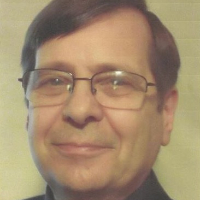
At a glance
- Credentials
- LPC
- License
- LPC, Wisconsin / 7277-125; LPC, Minnesota / 2161
- NPI
- 1083145361
- Experience
- 4 years
- Languages
- English
- Location
- Wisconsin
Details come from information the therapist supplied to BetterHelp. A license can be checked with the state board.
-
- Strengths based
- Motivation focused
- Goal oriented
About Kevin
Kevin Knack is a licensed professional counselor (LPC) who helps people manage stress, anxiety, depression, anger, low self-esteem, bipolar concerns, ADHD, and major life changes. He meets people where they are and focuses on practical steps to make daily life more manageable. He offers a straightforward, people-focused style that aims to build on what already works for each person.
Knack blends client-centered listening with cognitive-behavioral tools and motivational interviewing techniques. He looks for strengths a person already has and uses those as starting points for change. Sessions often include simple strategies to shift unhelpful thoughts, build coping skills, and try new behaviors between meetings.
His training includes graduate work at Winona State University and four years of clinical experience that include outpatient counseling and work in residential settings for adults recovering from mental health crises. He holds LPC credentials in Wisconsin and Minnesota and currently sees outpatients in La Crosse, Wisconsin.
Faith and values can be part of sessions when a person wants that. Knack is comfortable incorporating Christian-based perspectives alongside clinical approaches. He aims to create a calm, respectful environment where goals are practical and progress is visible.
People who prefer short, direct sessions focused on problem solving and motivation often find this approach helpful. He encourages people to set small goals and to notice small wins as they move toward greater balance in life.
-
How motivational and client-centered methods translate online
Kevin Knack uses motivational interviewing to help people clarify what matters to them and to boost readiness for change. This approach focuses on asking questions, reflecting back what a person says, and helping them find their own reasons for change. It can be useful for managing habits, building motivation for treatment, and working through ambivalence.
He also draws on client-centered therapy, which prioritizes listening, empathy, and the person’s own goals. In this style the therapist follows the client’s lead and supports whatever changes the person wants to make. Cognitive behavioral techniques are used to identify unhelpful thinking patterns and to try practical strategies that reduce symptoms and improve daily routines.
Choosing the right approach is a collaborative process. The therapist will talk with each person about goals, preferences, and what has helped or not helped in the past. Together they decide which methods to emphasize and adjust the plan as progress is made.
The biography does not specify session formats, so please confirm current online options before booking. Online work can make it easier to fit therapy into a busy life, shorten commute time, and allow quick check-ins between in-person visits. It can also let people choose sessions that match their energy level - for example, a brief phone or video meeting for a fast check-in or a longer appointment when more time is needed. -
Areas of expertise
Primary focus
Also works with
Additional focus areas
Aging and geriatric issuesForgivenessGuilt and shameIntellectual disabilityObsessions, compulsions, and OCDSocial anxiety and phobiaTherapeutic approaches
Client-Centered TherapyCognitive Behavioral Therapy (CBT)Mindfulness TherapyMotivational InterviewingExperience
4+ years
Listed in
Wisconsin, Minnesota
Languages
English
-
Frequently asked questions
What concerns does he help with?
He supports people dealing with stress, anxiety, depression, anger, self-esteem issues, bipolar concerns, ADHD, and coping with life changes, plus related issues like OCD symptoms and social anxiety.
What is his therapy style like?
Sessions are centered on the person and practical steps. He uses listening, encouragement, and goal-focused strategies to help people try new behaviors and notice progress.
What experience does he bring?
He has four years of clinical experience that include outpatient counseling and work in a residential setting supporting adults returning to independent living.
What credentials and location should I know?
He holds the LPC credential and is licensed in Wisconsin and Minnesota. He currently sees outpatients in La Crosse, Wisconsin.
Can I see him if English is not my first language?
Sessions are offered in English.
What session formats are available?
The original biography does not list session formats. Please confirm current session options before booking.
How does payment work?
Cost varies with location and therapist availability. Sessions use a subscription that can be canceled at any time.
How do I begin the process?
Click the Start Therapy button, complete a short matching questionnaire, and then schedule according to the therapist's availability.
-
Online talk therapy is not emergency or medical care. Stopping or cutting down alcohol or other drugs can be unsafe without medical advice. In immediate danger? Crisis numbers