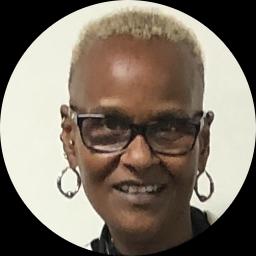
Donna Coakley
LCPC, LPC
District of Columbia
Practical, collaborative counseling for real-life change
Continue with DonnaAt a glance
- Credentials
- LCPC, LPC
- License
- LPC, District of Columbia / PRC1370; LCPC, Maryland / LC0875; LPC, Virginia / 0701011757
- NPI
- 1780822148
- Experience
- 26 years
- Languages
- English
- Location
- District of Columbia
Details come from information the therapist supplied to BetterHelp. A license can be checked with the state board.
-
- Warm interactive style
- Goal-focused work
- Trauma-informed care
About Donna
Donna Coakley is a Licensed Clinical Professional Counselor and a Licensed Professional Counselor who practices in the District of Columbia. She has 26 years of experience supporting people with stress, anxiety, depression, and relationship or parenting concerns. Donna brings a warm, interactive style to sessions and focuses on treating each person with sensitivity and respect.
She uses Motivational Interviewing alongside client-centered and cognitive behavioral approaches to help people identify goals and make practical changes. Donna also incorporates elements of dialectical behavior therapy and eye movement desensitization and reprocessing when they fit a person’s needs. The work is collaborative and tailored to what each person wants to accomplish.
Donna has worked broadly with concerns such as ADHD, addiction, trauma and abuse, sleep problems, and intimacy-related issues. She also addresses related areas like communication problems, guilt and shame, hoarding, and seasonal mood shifts. Her experience includes more than a decade supporting military members and related concerns.
Sessions focus on clear, goal-driven conversation and skills practice. Donna aims to reduce overwhelming symptoms and build skills that help in day-to-day life. She helps people weigh options, try new strategies, and notice what changes help most.
People who choose her can expect respectful, practical support and a plan that grows out of their own priorities and pace.
-
How therapeutic approaches translate to online care
Motivational Interviewing helps people clarify what they want to change and notice their own reasons for making that change. It relies on conversation that draws out a person's motivations and practical next steps, which can work well in talk-based sessions. Client-Centered Therapy focuses on the person as the expert in their own life and provides a respectful, nonjudgmental space for people to talk through struggles and choices. Cognitive Behavioral Therapy (CBT) looks at thoughts and behaviors that keep problems going and teaches specific skills to shift them, often with short exercises between sessions.
Finding the best approach is part of the work. The therapist will talk with the client about goals, preferences, and what feels most useful, then shape the plan together. This makes it easier to mix styles when a person needs skills, emotional processing, or clearer motivation.
The original biography does not list specific online session formats, so confirm current options before booking. Online work can make scheduling easier and fit therapy into busy days by reducing travel time and allowing shorter check-ins when needed. It also lets people use written or screen-based tools during sessions and practice real-life skills between meetings. Licensed professionals adapt these methods so sessions stay focused on practical steps and progress. -
Areas of expertise
Also works with
AddictionsRelationship issuesFamily conflictsIntimacy-related issuesSleeping disordersParenting issuesAdditional focus areas
Communication problemsDomestic violenceDrug and alcohol addictionFirst responder issuesForgivenessGuilt and shameHIV / AIDSHoardingJealousyVeteran and Armed Forces IssuesParanoiaPersonality disordersPost-traumatic stressProcess addiction (porn, exercise, gambling)Seasonal Affective Disorder (SAD)Self-loveSexual assault and abuseSocial anxiety and phobiaTherapeutic approaches
Client-Centered TherapyCognitive Behavioral Therapy (CBT)Dialectical Behavior Therapy (DBT)Eye Movement Desensitization and Reprocessing (EMDR)Mindfulness TherapyMotivational InterviewingNarrative TherapySolution-Focused TherapyExperience
26+ years
Listed in
District of Columbia, Maryland, Virginia
Languages
English
-
Frequently asked questions
What concerns does she help with?
She works with stress, anxiety, depression, trauma and abuse, addictions, ADHD, relationship and parenting concerns, sleeping problems, and intimacy-related issues among other topics.
What is her therapy style and approach?
Her style is warm and interactive. She uses Motivational Interviewing, client-centered techniques, and cognitive behavioral methods to help people set goals and try practical changes.
How much experience does she have?
She has 26 years of clinical experience, including more than a decade working with military members and related concerns.
What credentials and region are listed?
She holds LCPC and LPC credentials and is licensed in the District of Columbia, Maryland, and Virginia. She practices in the District of Columbia.
Which languages are supported for sessions?
Sessions are offered in English and she also accepts international clients.
What session formats are available?
The original biography does not specify session formats. Please confirm current session options with the service before booking.
How are fees and billing handled?
Cost varies with location and therapist availability. Sessions use a subscription model that can be canceled at any time.
How do I begin working together?
Use the Start Therapy button, complete a short matching questionnaire, and schedule according to the therapist's availability.
-
Online talk therapy is not emergency or medical care. Stopping or cutting down alcohol or other drugs can be unsafe without medical advice. In immediate danger? Crisis numbers