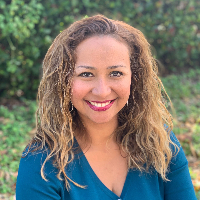
At a glance
- Credentials
- LMHC
- License
- LMHC, Florida / MH16986
- NPI
- 1083279749
- Experience
- 9 years
- Languages
- English, Spanish
- Location
- Florida
Details come from information the therapist supplied to BetterHelp. A license can be checked with the state board.
-
- Motivation-focused approach
- Works in English and Spanish
- Florida based LMHC
About Alexandra
Alexandra Valencia is a Licensed Mental Health Counselor (LMHC) who helps people facing stress, anxiety, depression, relationship struggles, trauma and abuse, and addiction concerns. She also supports those coping with grief, parenting strain, sleep problems, anger, low self-esteem, and life changes. She speaks English and Spanish and practices in Florida.
Her approach is practical and person-centered. She frames conversations around the goals a person brings and uses tools from Motivational Interviewing to explore change and sustain motivation. Sessions are conversational and focused on small, workable steps that fit into everyday life.
With nine years of clinical experience, Alexandra has worked across maternal and infant mental health, substance use, anxiety, depression, and trauma. That background informs how she recognizes patterns and suggests strategies tailored to each person’s situation. She draws on Cognitive Behavioral techniques to help people examine thoughts and behaviors and on Attachment-Based ideas to look at relationship patterns.
People can expect a calm, collaborative style that emphasizes clear goals and practical skills. Alexandra helps clients break problems into manageable pieces and practice new ways of coping between sessions. She supports clients through transitions such as pregnancy and childbirth, recovery from trauma, and major life shifts.
Sessions emphasize real-world coping and communication changes. If someone wants to start, they use the site’s Start Therapy process to complete a short questionnaire and match with a therapist before scheduling.
-
Approaches that guide online sessions
Motivational Interviewing helps people clarify what they want to change and strengthens their own reasons for making that change. It uses open questions and reflective listening to build motivation without pressure. Acceptance and Commitment Therapy, or ACT, focuses on identifying values and learning small skills to act toward those values even when emotions are hard. It is often used for anxiety, depression, and coping with life transitions.
Attachment-Based Therapy looks at how early relationship patterns affect current connections and communication. It can be useful for people who notice repeating patterns in relationships or who want to understand why they react strongly in close relationships. Alexandra will work together with each person to find the best mix of approaches based on goals, preferences, and what feels most useful in early sessions.
Online therapy can make it easier to fit sessions into a busy life by removing travel time and allowing sessions during lunch breaks or between appointments. It can also let someone meet with a therapist from home or another convenient location when schedules are tight. The biography does not list specific session formats, so confirm current options before booking to know which formats are offered. Licensed professionals can help shape session length and focus to match practical needs and daily routines. -
Areas of expertise
Primary focus
Also works with
AddictionsFamily conflictsGriefIntimacy-related issuesSleeping disordersParenting issuesAnger managementSelf esteemBipolar disorderCoping with life changesAdditional focus areas
Attachment issuesCommunication problemsControl issuesPost-traumatic stressPregnancy and childbirthSelf-loveWomen's issuesTherapeutic approaches
Acceptance and Commitment Therapy (ACT)Attachment-Based TherapyClient-Centered TherapyCognitive Behavioral Therapy (CBT)Dialectical Behavior Therapy (DBT)Emotionally-Focused Therapy (EFT)Eye Movement Desensitization and Reprocessing (EMDR)Mindfulness TherapyMotivational InterviewingNarrative TherapyPsychodynamic TherapySolution-Focused TherapySomatic TherapyTrauma-Focused TherapyExperience
9+ years
Listed in
Florida
Languages
English, Spanish
-
Frequently asked questions
What kinds of concerns does Alexandra help address?
She works with stress, anxiety, depression, trauma and abuse, addictions, grief, relationship and intimacy issues, parenting strain, sleep problems, anger, self-esteem, bipolar concerns, and coping with life changes.
How would you describe her therapeutic style?
Her style is collaborative and practical. Conversations focus on goals, motivation for change, and small steps clients can try between sessions.
What is her clinical experience?
She has nine years of experience working with issues such as maternal and infant mental health, substance use, anxiety, depression, and trauma.
What credentials and location are listed?
She is a Licensed Mental Health Counselor - LMHC - practicing in Florida.
Which languages are supported in sessions?
Sessions are offered in English and Spanish.
What session formats are available?
The original biography did not list specific session formats; please confirm current session options before booking.
How does payment work and what does therapy cost?
Cost varies with location and therapist availability; sessions use a subscription that can be canceled at any time.
How do I begin working with her?
Use the Start Therapy button, complete a short matching questionnaire, and schedule according to therapist availability.
-
Online talk therapy is not emergency or medical care. Stopping or cutting down alcohol or other drugs can be unsafe without medical advice. In immediate danger? Crisis numbers