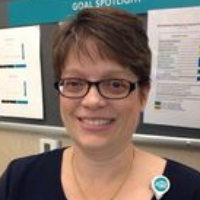
Tracey Beaty
LPC, LCMHC
North Carolina
Therapist focused on mood and trauma recovery
Continue with TraceyAt a glance
- Credentials
- LPC, LCMHC
- License
- LCMHC, North Carolina / 8314; LPC, South Carolina / 10529
- NPI
- 1215593777
- Experience
- 15 years
- Languages
- English
- Location
- North Carolina
Details come from information the therapist supplied to BetterHelp. A license can be checked with the state board.
-
- Mood disorders
- Trauma informed
- Practical strategies
About Tracey
Tracey Beaty is a Licensed Professional Counselor (LPC) and Licensed Clinical Mental Health Counselor (LCMHC) based in North Carolina. She supports adults facing depression, bipolar symptoms, trauma and abuse, self-esteem struggles, and major life changes. Her manner is warm and respectful, and she aims to build trust early in the work together.
With 15 years of experience, she brings focused care for mood disorders and trauma-related concerns. She has worked with people affected by abandonment, adoption and foster care issues, attachment struggles, domestic violence, and sexual assault and abuse. Seasonal Affective Disorder and other mood-related patterns are also within her focus.
Her practice draws on client-centered principles that place the person’s goals first. She also uses cognitive behavioral tools to help people notice and shift thinking and behavior patterns that get in the way of daily functioning. Motivational Interviewing is another approach she uses to help people find and strengthen their reasons for change.
Sessions concentrate on practical steps and honest conversation. Tracey aims to create a respectful space where people can talk through worries, recognize patterns, and try new ways of coping. She helps people set small, doable goals and track progress over time.
People who come to see her can expect straightforward feedback and gentle challenge when needed. Her overall focus is to support clearer thinking, steadier mood, and improved daily functioning through collaborative work.
-
How these approaches guide online therapy
Client-Centered Therapy emphasizes listening, empathy, and placing the person's goals first. It helps people feel heard and shapes the pace and focus of sessions around what matters to them. Cognitive Behavioral Therapy, or CBT, focuses on identifying unhelpful thoughts and behaviors and trying practical experiments to change them; it is often used for depression, mood disorders, and anxiety. Motivational Interviewing is a conversational method that helps people explore and strengthen their reasons for making changes, which can be useful when motivation feels low or unclear.
Finding the right approach is part of working together. The therapist will discuss goals, preferences, and what has or hasn't helped before. Then she will suggest methods and adjust them based on the client's needs. This is a collaborative process where the client’s priorities guide decisions about focus and techniques.
Confirm current session options before booking so you know how sessions are delivered. Online work can make it easier to fit therapy into busy days, shorten travel time, and allow follow-ups between in-person visits when needed. It also lets people move at a pace that suits them while using motivational and CBT tools to practice changes in everyday life. -
Areas of expertise
Primary focus
Additional focus areas
AbandonmentAdoption and foster careAttachment issuesDomestic violenceMood disordersSeasonal Affective Disorder (SAD)Sexual assault and abuseWomen's issuesTherapeutic approaches
Client-Centered TherapyCognitive Behavioral Therapy (CBT)Motivational InterviewingExperience
15+ years
Listed in
North Carolina, South Carolina
Languages
English
-
Frequently asked questions
What kinds of concerns does Tracey help with?
She works with adults on depression, bipolar symptoms, trauma and abuse, low self-esteem, and coping with major life changes. Additional areas include abandonment, adoption and foster care issues, attachment concerns, domestic violence, and women’s issues.
What is her therapy style like?
Her style is warm and respectful and centers on building trust. She focuses on clear conversation, practical steps, and collaborative goal setting.
How much clinical experience does she have?
She has 15 years of experience working with adults on mood disorders, trauma, and related relationship concerns.
What are her credentials and where does she practice?
She holds LPC and LCMHC credentials and practices in North Carolina.
Can non-English speakers work with her?
Sessions are offered in English.
Does she accept clients from other countries?
She does not accept international clients at this time.
How does payment and cost work?
Cost varies with location and therapist availability; sessions use a subscription that can be canceled at any time.
How do I begin if I want to work together?
Click the Start Therapy button, complete a short matching questionnaire, and schedule based on the therapist’s availability.
-
Online talk therapy is not emergency or medical care. Stopping or cutting down alcohol or other drugs can be unsafe without medical advice. In immediate danger? Crisis numbers