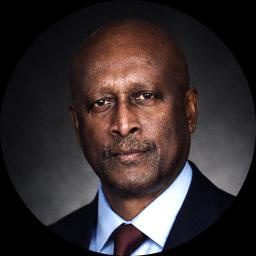
At a glance
- Credentials
- LCSW
- License
- LCSW, New York / 070436
- NPI
- 1235866062
- Experience
- 20 years
- Languages
- English
- Location
- New York
Details come from information the therapist supplied to BetterHelp. A license can be checked with the state board.
-
- Focused on change
- Practical steps
- Respectful listening
About William
Dr. William Thomas is a licensed clinical social worker (LCSW) based in New York who helps people facing stress, anxiety, addictions, relationship struggles, low self-esteem, depression, and bipolar disorder. He focuses on practical steps people can take to feel steadier and more motivated. His approach is direct and respectful, aimed at building momentum for real change.
With 20 years of professional experience, he draws on a mix of talk-based methods to match a person’s needs. He uses Motivational Interviewing to strengthen motivation for change and Cognitive Behavioral Therapy to identify unhelpful thinking and behavior patterns. He also incorporates Acceptance and Commitment Therapy and Attachment-Based ideas when they fit the work.
Sessions are shaped around each person’s goals. He listens closely, helps clarify priorities, and outlines manageable steps between meetings. For people dealing with substance use, addictive behaviors, or mood instability, he focuses on small experiments that build confidence over time.
Dr. Thomas emphasizes respect and plain language. He avoids jargon and makes room for honest conversation about setbacks and progress. His style aims to be steady and practical, not overly technical.
People often begin by naming one or two problems they want to change. From there he helps create a plan that feels doable. He supports clients as they test new habits and adjust strategies when needed.
-
How these approaches guide online sessions
Motivational Interviewing is a collaborative, conversational method that helps people resolve mixed feelings about change. It focuses on strengthening a person’s own reasons for taking steps forward and is often used when tackling addictions or habit changes.
Acceptance and Commitment Therapy (ACT) teaches practical ways to accept difficult thoughts while choosing actions that match personal values. It can help with anxiety, depression, and staying engaged with life despite setbacks.
Attachment-Based ideas look at patterns in close relationships and how early relationship styles affect current behavior. This can be useful when relationship issues or trust concerns get in the way of feeling connected or making changes.
Finding the right approach is part of the work. The therapist will collaborate with each person to pick methods that fit their goals, needs, and comfort level. That may mean trying one method for a few sessions and adjusting based on what helps.
Online therapy can make it easier to fit sessions into a busy life. It can reduce travel time and allow shorter check-ins when needed. The original biography did not list specific session formats, so confirm current options before booking. Licensed professionals often use online meetings to continue steady, focused work without asking people to rearrange their whole day. -
Areas of expertise
Primary focus
Also works with
Bipolar disorderAdditional focus areas
Antisocial personalityDrug and alcohol addictionHoardingInfidelityParanoiaPersonality disordersProcess addiction (porn, exercise, gambling)Seasonal Affective Disorder (SAD)Sex addictionSexual dysfunctionSmoking / vaping cessationSocial anxiety and phobiaTherapeutic approaches
Acceptance and Commitment Therapy (ACT)Attachment-Based TherapyClient-Centered TherapyCognitive Behavioral Therapy (CBT)Mindfulness TherapyMotivational InterviewingPsychodynamic TherapySolution-Focused TherapyTrauma-Focused TherapyInternal Family SystemsExperience
20+ years
Listed in
New York
Languages
English
-
Frequently asked questions
What concerns does this therapist address?
He works with stress, anxiety, addictions, relationship struggles, low self-esteem, depression, and bipolar disorder, plus related areas such as substance and process addictions, hoarding, and sexual concerns.
What is the therapeutic style like?
He uses plain language and practical steps, focusing on motivation, short-term experiments, and steady support rather than long lectures or abstract theory.
How much experience does he have?
He brings 20 years of professional experience working with people on addictions, mood concerns, motivation, and relationship issues.
What are his credentials and location?
He is a licensed clinical social worker (LCSW) licensed in New York and practices from New York.
Which languages are supported?
Sessions are offered in English and he accepts international clients.
What session formats are available?
The original biography did not specify session formats; please confirm current session options before booking.
How is cost handled?
Fees vary with location and therapist availability, and sessions use a subscription that can be canceled at any time.
How do I begin working with him?
Use the Start Therapy button, complete a short matching questionnaire, and schedule according to therapist availability.
-
Online talk therapy is not emergency or medical care. Stopping or cutting down alcohol or other drugs can be unsafe without medical advice. In immediate danger? Crisis numbers