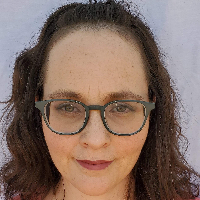
At a glance
- Credentials
- LCSW
- License
- LCSW, Arizona / LCSW-14103
- NPI
- 1174815419
- Experience
- 13 years
- Languages
- English
- Location
- Arizona
Details come from information the therapist supplied to BetterHelp. A license can be checked with the state board.
-
- Trauma healing
- Relationship work
- Mindful coping
About Victoria
Victoria Cannon is a licensed clinical social worker (LCSW) in Arizona who helps people facing stress, anxiety, depression, trauma, relationship struggles, and problems with addiction. She spends time getting to know each person's goals and daily life. Her approach aims to find calm in the middle of busy, stressful schedules and to restore a sense of safety after difficult experiences.
With 13 years of experience, Victoria centers the therapeutic relationship as the starting point for change. She pays attention to how past experiences and current patterns connect. In sessions she helps people build practical coping skills and new ways to relate to others.
Her work often focuses on healing from traumatic pasts and stepping away from unhealthy relationship patterns. She brings attention to attachment issues and fatherhood or family of origin problems when relevant to someone’s concerns. She also addresses grief, intimacy-related issues, eating and food-related concerns, and work or career stress.
Victoria uses approaches that include Motivational Interviewing, Acceptance and Commitment Therapy, Emotionally-Focused Therapy, Attachment-Based work, and Mindfulness Therapy. She explains techniques plainly and helps people try what fits their goals. Expectations and next steps are decided together so work is realistic and workable.
Sessions are conducted in English and Victoria practices in Arizona. She uses she/her pronouns and notes that international clients are not accepted. To begin, readers are asked to follow the site’s Start Therapy process and complete the matching steps.
-
How these approaches translate to online work
Motivational Interviewing focuses on meeting a person where they are and gently exploring their own reasons for change. It uses guided questions and reflective listening to help someone find internal motivation for steps like reducing substance use or improving self-care.
Acceptance and Commitment Therapy, or ACT, helps people clarify what matters most and take small steps toward those values. It blends practical actions with learning to notice difficult thoughts and feelings without getting stuck on them.
Attachment-Based Therapy pays attention to how early bonds affect current relationships. It can help people who struggle with trust, abandonment fears, or repeated patterns in their close relationships by naming those patterns and trying new ways of engaging.
Finding the right approach is part of the work. The therapist will talk with each person about their needs, goals, and preferences, and together they decide which methods to try. That collaborative process includes checking in and adjusting what they do as therapy progresses.
Confirm the session formats and scheduling options before booking, since formats are not listed here. Online therapy can make it easier to fit sessions into a busy life, allow shorter check-ins when time is tight, and avoid travel time. Ask about specific session logistics when you complete the site’s Start Therapy steps. -
Areas of expertise
Primary focus
Also works with
AddictionsFamily conflictsGriefIntimacy-related issuesEating disordersParenting issuesAnger managementSelf esteemCareer difficultiesBipolar disorderCoping with life changesCompassion fatigueAdditional focus areas
AbandonmentAttachment issuesCodependencyCoping with natural or human-caused disasterDissociationEating and food-related issuesFamily of origin issuesFamily problemsFatherhood issuesGuilt and shameMood disordersPanic disorder and panic attacksPostpartum depressionPost-traumatic stressPregnancy and childbirthSexual assault and abuseSomatizationYoung adult issuesTherapeutic approaches
Acceptance and Commitment Therapy (ACT)Attachment-Based TherapyEmotionally-Focused Therapy (EFT)Mindfulness TherapyMotivational InterviewingSomatic TherapyTrauma-Focused TherapyExperience
13+ years
Listed in
Arizona
Languages
English
-
Frequently asked questions
What kinds of problems does Victoria focus on?
She supports people with stress, anxiety, depression, trauma and abuse, relationship and intimacy-related challenges, addictions, grief, parenting strain, and related concerns such as eating issues and career stress.
How would she describe her therapy style?
Her style emphasizes building a trusting relationship first. She uses clear, practical tools and helps people connect past experiences with present patterns.
What experience does she bring to sessions?
Victoria has 13 years of clinical experience and focuses on using that experience to tailor approaches to each person's goals.
What are her credentials and where does she practice?
She is an LCSW, licensed in Arizona, and practices with an Arizona-based focus.
Which languages are supported for sessions?
Sessions are offered in English.
Can people outside the United States work with her?
She does not accept international clients at this time.
How are costs handled for sessions?
Costs vary with location and therapist availability; sessions use a subscription that can be canceled at any time.
How do I begin working with her?
Use the Start Therapy button, complete the short matching questionnaire, and schedule sessions according to therapist availability.
-
Online talk therapy is not emergency or medical care. Stopping or cutting down alcohol or other drugs can be unsafe without medical advice. In immediate danger? Crisis numbers