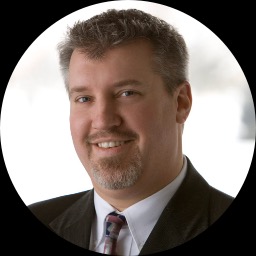
At a glance
- Credentials
- LPCC, LPC
- License
- LPCC, California / 11515; LPC, Wisconsin / 4911-125
- NPI
- 1861887788
- Experience
- 20 years
- Languages
- English
- Location
- California
Details come from information the therapist supplied to BetterHelp. A license can be checked with the state board.
-
- Trauma and abuse
- Motivational Interviewing
- Practical resilience skills
About Matthew
Matthew Poje, LPCC, LPC, focuses on helping people cope after trauma, addiction, and major life changes. He supports those dealing with grief and compassion fatigue. People also come to him for challenges related to fatherhood, first responder stress, veteran and armed forces issues, and post-traumatic stress. Sessions are grounded in practical steps and clear goals.
He brings 20 years of professional experience to his work and holds licenses as an LPCC in California and an LPC in Wisconsin. Matthew describes his approach as action-oriented rather than only talk-based. He uses techniques drawn from Trauma-Focused Therapy and Motivational Interviewing to help people find forward movement.
In sessions he prioritizes concrete strategies people can apply between meetings. He explains methods plainly and teaches skills that build resilience over time. Clients learn ways to manage symptoms and make steady changes at their own pace.
Matthew notes that he uses screening tools but does not provide formal diagnostic testing or letters for employers or courts. He encourages people to review introductory material about his trauma work before beginning. That helps ensure a good fit and clearer expectations.
People who want to start are asked to complete a short matching questionnaire and schedule a time that fits. The process is meant to be straightforward so people can focus on the work rather than logistics.
-
How these approaches guide online therapy
Motivational Interviewing focuses on helping people find their own reasons to change. It uses open conversation, reflective listening, and questions that help clarify goals and motivation. This approach can be useful for addictions, ambivalence about change, and building commitment to new habits. Trauma-Focused Therapy centers on reducing the impact of traumatic experiences. It includes practical exercises and steps aimed at managing symptoms and increasing resilience. This work targets stress reactions, post-traumatic stress, and recovery after abuse or service-related events. Choosing the right approach is a collaborative process. Matthew will work with each person to identify which methods match their needs, goals, and preferences. Sessions can combine elements from different approaches as progress and priorities become clearer. Confirm the available session options before booking, as specific delivery formats are not listed here. Online therapy can make it easier to fit sessions into a busy life, reduce travel time, and allow for quicker check-ins between appointments. Some formats also make it simpler to use a shorter phone or video check-in when schedules demand it. Ask about current session options when you complete the matching questionnaire so you can pick what fits your routine. -
Areas of expertise
Primary focus
Also works with
Additional focus areas
Fatherhood issuesFirst responder issuesVeteran and Armed Forces IssuesPost-traumatic stressTherapeutic approaches
Motivational InterviewingTrauma-Focused TherapyExperience
20+ years
Listed in
California, Wisconsin
Languages
English
-
Frequently asked questions
What concerns does Matthew help with?
He works with trauma and abuse, addictions, grief, coping with life changes, and compassion fatigue. He also focuses on fatherhood issues, first responder stress, veteran and armed forces issues, and post-traumatic stress.
How would you describe his therapeutic style?
His style is action-oriented and practical, emphasizing clear steps clients can use between sessions. He blends direct skill teaching with collaborative conversations about change.
What is his background and experience?
He has 20 years of professional experience and spent many years working with veterans under Department of Defense contracts. That experience informs his work with trauma and service-related concerns.
Which credentials and location apply?
He holds LPCC and LPC credentials and practices from California. The LPCC stands for Licensed Professional Clinical Counselor and LPC for Licensed Professional Counselor.
In which languages can sessions be held?
Sessions are offered in English.
Does he work with international clients?
He is not currently accepting international clients.
How does billing and cost work?
Cost varies with location and therapist availability, and sessions use a subscription that can be canceled at any time. Exact fees depend on the chosen arrangement and locale.
What are the first steps to begin therapy?
Use the Start Therapy button, complete a short matching questionnaire, and then schedule according to therapist availability. He also asks prospective clients to review an introductory video about his trauma method before scheduling.
-
Online talk therapy is not emergency or medical care. Stopping or cutting down alcohol or other drugs can be unsafe without medical advice. In immediate danger? Crisis numbers