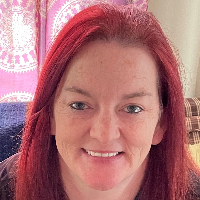
Kathleen O'Connor
LICSW
Massachusetts
Practical, goal-focused support for recovery and coping
Continue with KathleenAt a glance
- Credentials
- LICSW
- License
- LICSW, Massachusetts / 121635
- NPI
- 1770728776
- Experience
- 25 years
- Languages
- English
- Location
- Massachusetts
Details come from information the therapist supplied to BetterHelp. A license can be checked with the state board.
-
- Motivational interviewing
- Mindfulness skills
- Practical goal setting
About Kathleen
Kathleen O'Connor is a Licensed Independent Clinical Social Worker (LICSW) in Massachusetts who helps people facing addiction, trauma, mood disorders, anxiety, stress, and relationship or family concerns. She also supports people dealing with parenting strain, grief, sleep problems, career transitions, and compassion fatigue. Kathleen emphasizes practical steps and a respectful, nonjudgmental approach.
She brings 25 years of direct-service experience across many settings. Her work has taken her into substance abuse treatment, criminal justice contexts, dialysis clinics, psychiatric emergency rooms, and community-based care. Kathleen completed a Master of Social Work program and earned a Specialized Mental Health Provider certificate focused on severe mental illness and co-occurring diagnoses during her training.
Kathleen practices in a collaborative, interactive style. She checks in frequently during sessions to make sure she understands what matters to the person she is seeing. Her conversations aim to identify clear goals and practical next steps, whether the work is short term or longer term depending on needs.
Her approach combines Motivational Interviewing with cognitive behavioral strategies, dialectical behavior ideas, mindfulness, and client-centered work. She tailors methods to each person and adjusts plans as progress unfolds. Kathleen has experience using phone and video for sessions during the pandemic and adapts to what helps someone engage in therapy.
People who choose her can expect straightforward conversations, goal-focused planning, and a steady, compassionate presence while they work toward change.
-
How her approaches translate to online care
Motivational Interviewing focuses on drawing out a person’s own reasons for change through open questions and reflective listening. It can help when someone is trying to cut back on substance use, build healthier routines, or find motivation for a new direction. Client-Centered Therapy centers the person in the conversation, giving space for their priorities and pacing; that approach helps people who need steady support and acceptance while they sort through difficult choices. Cognitive Behavioral Therapy (CBT) looks at the links between thoughts, feelings, and actions and offers practical strategies to reduce anxiety, lift mood, and change unhelpful patterns.
Choosing which approach to use is a collaborative process. Kathleen will talk with each person about their goals and preferences and try methods that fit their situation. Plans are adjusted over time based on what’s working and what isn’t, so the approach can change as progress happens.
Her biography mentions using phone and video during the pandemic, so ask about current session options when you book. Online sessions can make it easier to fit therapy into a busy day, allow shorter check-ins when needed, and let people join from different locations without travel. Confirm the available formats and scheduling details before your first appointment so the sessions fit your routine. -
Areas of expertise
Primary focus
Also works with
Stress, AnxietyRelationship issuesFamily conflictsGriefIntimacy-related issuesSleeping disordersParenting issuesAnger managementSelf esteemCareer difficultiesCoping with life changesCompassion fatigueAdditional focus areas
Adoption and foster careCaregiver issues and stressDrug and alcohol addictionFamily of origin issuesFamily problemsFirst responder issuesVeteran and Armed Forces IssuesMood disordersPost-traumatic stressSeasonal Affective Disorder (SAD)Self-loveTherapeutic approaches
Client-Centered TherapyCognitive Behavioral Therapy (CBT)Dialectical Behavior Therapy (DBT)Mindfulness TherapyMotivational InterviewingSolution-Focused TherapyTrauma-Focused TherapyExperience
25+ years
Listed in
Massachusetts
Languages
English
-
Frequently asked questions
What concerns does she address?
She supports people with addictions, trauma, bipolar and mood disorders, depression, ADHD, anxiety, stress, relationship and family issues, grief, sleep difficulties, parenting strain, anger, self-esteem, career changes, and compassion fatigue.
What is her therapeutic style like?
Her style is interactive and goal-focused with frequent check-ins during sessions. She aims for respectful, nonstigmatizing conversation and practical steps you can try between meetings.
How much experience does she have?
She has 25 years of direct-service experience across settings such as substance use treatment, psychiatric emergency care, community programs, and dialysis clinics.
What credentials and region are associated with this clinician?
She holds an MA and is a Licensed Independent Clinical Social Worker (LICSW) practicing in Massachusetts.
Which languages are offered and are international clients welcome?
Sessions are offered in English and international clients are not currently accepted.
What session formats are available?
The biography notes experience providing telehealth by phone and video during the pandemic; confirm current session format options with the therapist before booking.
How does payment and cost work?
Cost varies with location and therapist availability, and sessions use a subscription that can be canceled at any time.
How do I begin working with her?
Click the Start Therapy button, complete a short matching questionnaire, and schedule according to therapist availability.
-
Online talk therapy is not emergency or medical care. Stopping or cutting down alcohol or other drugs can be unsafe without medical advice. In immediate danger? Crisis numbers